Extra Virgin
Olive Oil
Olive oil as if you were on the Mediterranean coast
New 2025/2026 harvest
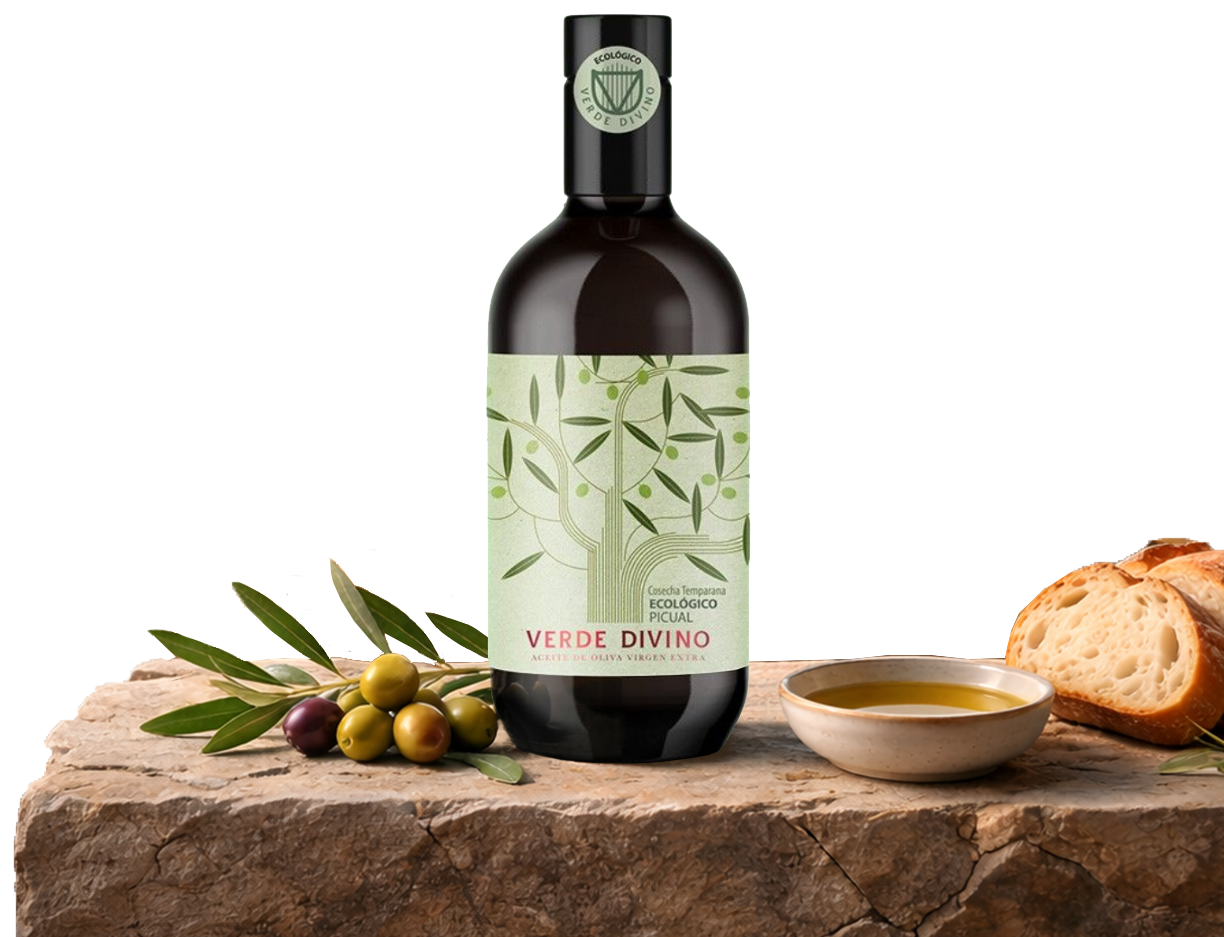
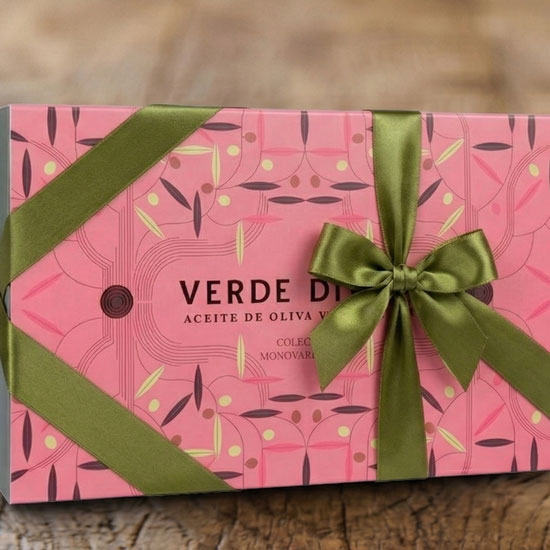
Selection of Extra Virgin Olive Oils


L’Atelier des Saisons
Welcome to L’Atelier des Saisons, your expert in premium extra virgin olive oil in Switzerland. I rigorously select exceptional oils from the finest Mediterranean terroirs, produced with respect for tradition and artisanal expertise.
Featured products


The Excellence of Extra Virgin Olive Oil in Switzerland
A Rigorous
Selection for
Incomparable Quality.
My extra virgin olive oils are exclusively cold-extracted, guaranteeing incomparable aromatic richness and nutritional properties recognized for their health benefits. Every producer I collaborate with shares my values: excellence, authenticity, and respect for the environment.
Customer Reviews



Elia Fuster Rius – Olive Oil Sommelier, International Trade Expert, and Jury member of the prestigious international competition EIOOC
FAQs
Everything you need to know about olive oil
Which olive oil for cooking?
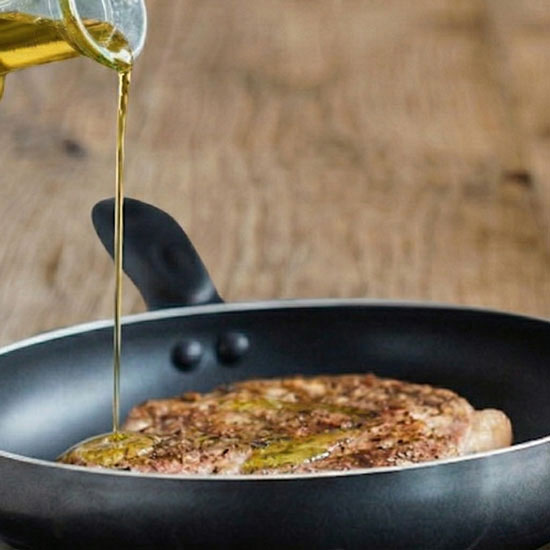
For cooking, I highly recommend using extra virgin olive oil. It is an oil that handles temperatures up to 180°C very well. Extra virgin oils from ripe olives offer the best value for money, but you can also cook with oils from early harvests.
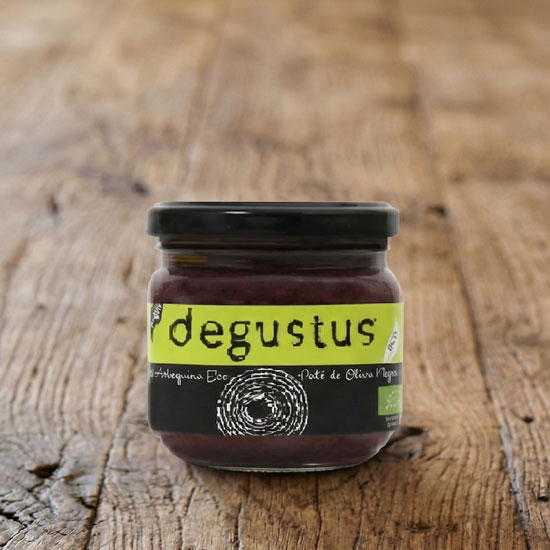
L’Atelier des Saisons recommends Degustus extra virgin olive oil in large formats. The best quality at the best price.
How to store olive oil?
The best way to store extra virgin olive oil is as follows:
- Store away from heat.
- Store away from light.
- Store in an airtight container.
- Use it within a maximum of 2 years after harvest.
The benefits of extra virgin olive oil
Extra virgin olive oil is a true health treasure. Rich in antioxidants and monounsaturated fatty acids, it contributes to heart protection by reducing bad cholesterol and promoting good blood circulation. Thanks to its anti-inflammatory properties, it also helps prevent certain chronic diseases. Furthermore, its richness in polyphenols protects cells against oxidative stress, thereby delaying aging. In the kitchen, it enhances dishes while providing essential nutrients. An essential ally for a healthy and flavorful diet!
What exactly does "Extra Virgin" mean?
The term “extra virgin” refers to the quality of the olive oil. An oil is called virgin when it is obtained by simple mechanical pressing of the olives, without any chemical treatment. This ensures that it retains all its natural properties, both in terms of taste and nutritional benefits.
The term “extra” indicates that the oil is of the highest quality among virgin oils. It must have an acidity level below 0.8%, which is an important quality criterion. This means the oil is extracted from healthy, fresh olives and possesses a pleasant, fruity taste without defects. In short, extra virgin olive oil is the purest and most beneficial oil for your health.
Filtered or unfiltered?
Filtered olive oil is more stable and has a longer shelf life than unfiltered oil.
The filtration process removes solid particles present in the olive oil, such as pulp or pit residues. These particles can promote oxidation and alter the quality of the oil. By filtering the oil, this process is slowed down, which extends its shelf life and preserves its aromas.
Why is olive oil traceability so important?
Many olive oils are not properly labeled; they lack information about their origin, and sometimes we only have information about where they were bottled. An oil that has not been bottled by its producer is an oil whose production date is unknown and is likely a blend of oils from different origins and different production years.
Oil bottled by its producer guarantees traceability, freshness, and a quality guarantee.
This is why L’Atelier des Saisons was created, so that you can enjoy extra virgin olive oils of the highest quality.
What is the difficulty in producing Extra Virgin Olive Oil?
Producing a high-quality extra virgin olive oil is a complex and demanding process that requires true expertise.
Olive oil production begins long before the olive harvest, in winter, when the olive trees are pruned. Proper pruning promotes optimal flowering and growth of the olives. Additionally, climate, soil, irrigation, and even the harvesting methods used can influence the aromatic and flavor profile of the olive oil.
Once the harvest begins, all operations must be carried out perfectly to avoid potential defects in the oil:
- Olives must be picked from the tree; those already on the ground should not be used to avoid undesirable flavors.
- Olives must be processed quickly to prevent them from spoiling.
- Once the olives are crushed, they must be gently malaxed, ensuring the temperature does not exceed 27° Celsius.
- Once the oil is obtained, it must be filtered to remove impurities that could cause further taste defects.
This long process, combining tradition and modern technology, ultimately guarantees the production of an extra virgin olive oil of exceptional quality. Each batch is a true masterpiece of flavor, with herbaceous and fruity notes, a hint of bitterness, and a touch of spice.
So, the next time you pour a generous drizzle of extra virgin olive oil, you will have the opportunity to appreciate its flavor.
Olive Oil
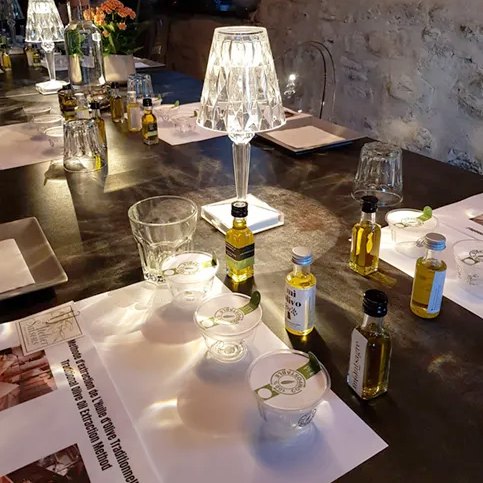
Tastings
Events can be organized in French, English, and Spanish.
Would you like to organize a corporate event?
Want to learn more about olive oil, taste different varieties, and enjoy a convivial moment?
Send me an email!